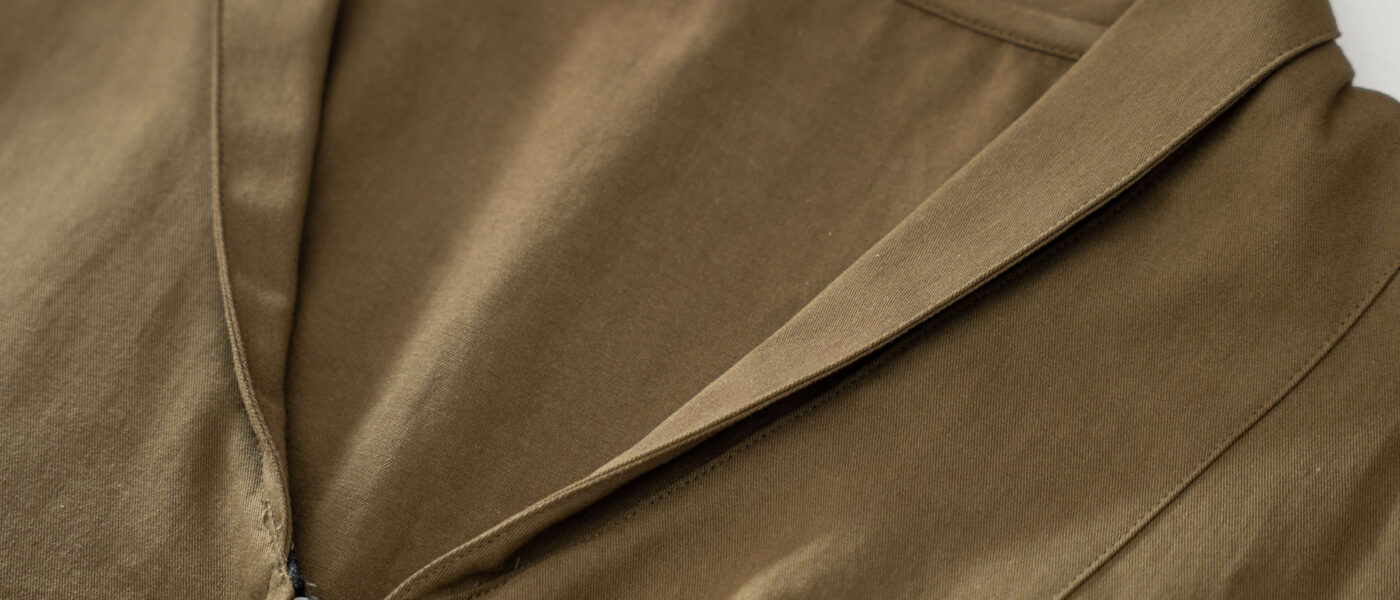
The right fabric is the difference between a uniform your team tolerates and one they forget they’re wearing. Here’s how we choose materials built for tropical heat and humidity.
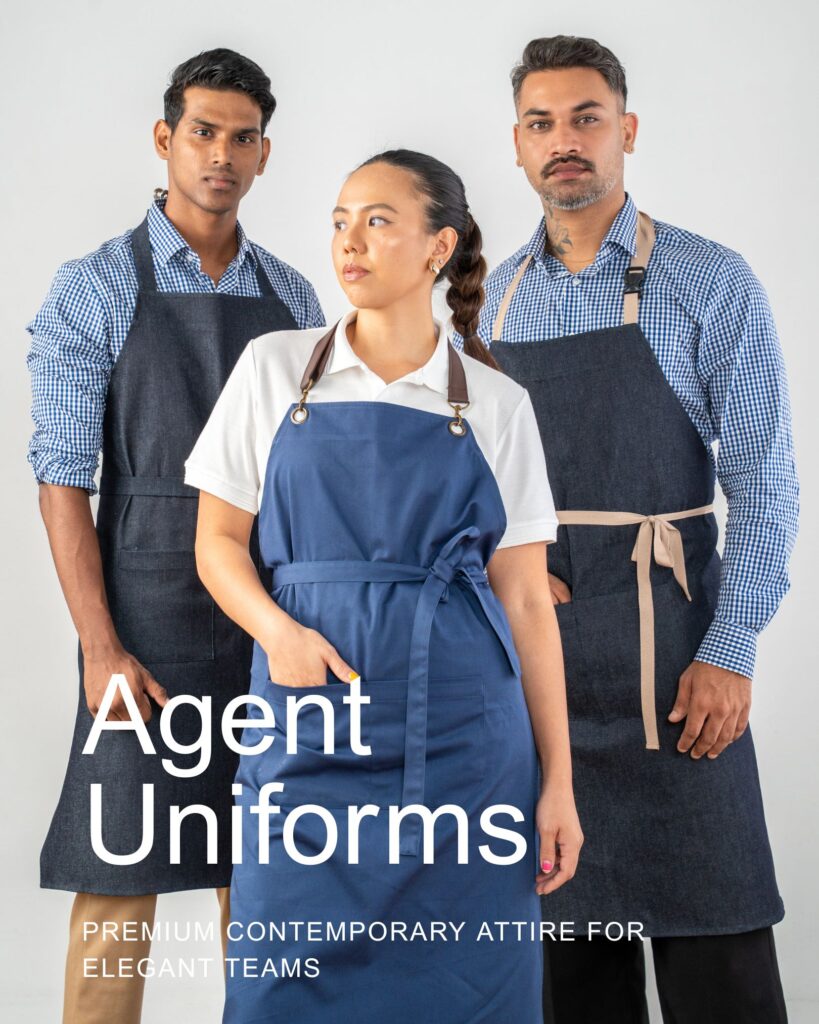
There’s a moment every business owner in Sri Lanka has witnessed: a staff member discreetly tugging at a collar, shifting in a shirt that’s clinging in all the wrong places by mid-afternoon. Nine times out of ten, the culprit isn’t the cut. It’s the fabric.
In a climate like ours — warm, humid, and unforgiving for most of the year — fabric choice isn’t a detail. It’s the foundation of a uniform that people can actually wear through a full shift. Here’s how we think about it.
Breathability comes first
The single most important quality for tropical workwear is airflow. A fabric that lets heat and moisture escape keeps your team comfortable and looking fresh, rather than wilted, by the end of the day.
Natural fibres like cotton and linen breathe beautifully, which is why they’ve been the traditional choice for warm climates. Cotton is soft, absorbent, and forgiving. Linen is even more breathable, though it wrinkles more readily — a look that suits a relaxed café far better than a formal boardroom.
The trade-off with pure natural fibres is durability and upkeep. That’s where thoughtful blends come in.
Why blends often win for workwear
For teams on their feet all day, a poly-cotton blend frequently strikes the best balance. You keep much of cotton’s comfort and breathability, but gain wrinkle-resistance, colour retention, and a fabric that survives repeated industrial washing without falling apart.
For roles that demand a sharper, more structured look — corporate front-of-house, for instance — a higher synthetic content holds its shape through the day. The key is matching the blend to the job, not defaulting to one fabric for every role.
Don’t overlook moisture management
Breathability is about airflow; moisture management is about what happens to sweat once it’s there. Performance fabrics with moisture-wicking properties pull dampness away from the skin so it can evaporate, which makes a real difference for active roles — kitchen staff, event crews, anyone moving constantly.
These fabrics used to feel distinctly “sporty,” but modern versions can be woven to look and feel entirely professional. It’s worth considering for any role where people work up a sweat.
Colour and stain resistance matter more than you’d think
In hospitality and culinary settings, uniforms meet coffee, sauce, ink, and everything in between. Darker colours and patterns hide the inevitable better than pale solids. And stain-resistant finishes — which cause spills to bead up rather than soak in — can dramatically extend how long a uniform looks presentable between deep cleans.
If your team works around food or drink, we’ll usually steer you toward fabrics and colours that are forgiving in daily use, so a single spill doesn’t retire a garment early.
The bottom line
There’s no single “best” fabric — only the best fabric for a specific role, in a specific setting, worn by specific people. A spa therapist and a line cook have completely different needs, and their uniforms should too.
That’s exactly the conversation we love having. When we start a project, fabric is one of the first things we work through together — feeling swatches, talking through the realities of your day-to-day, and choosing materials that will still look and feel right months down the line.
Thinking about new uniforms for your team? Get in touch and let’s find the right fabric for the way you work.